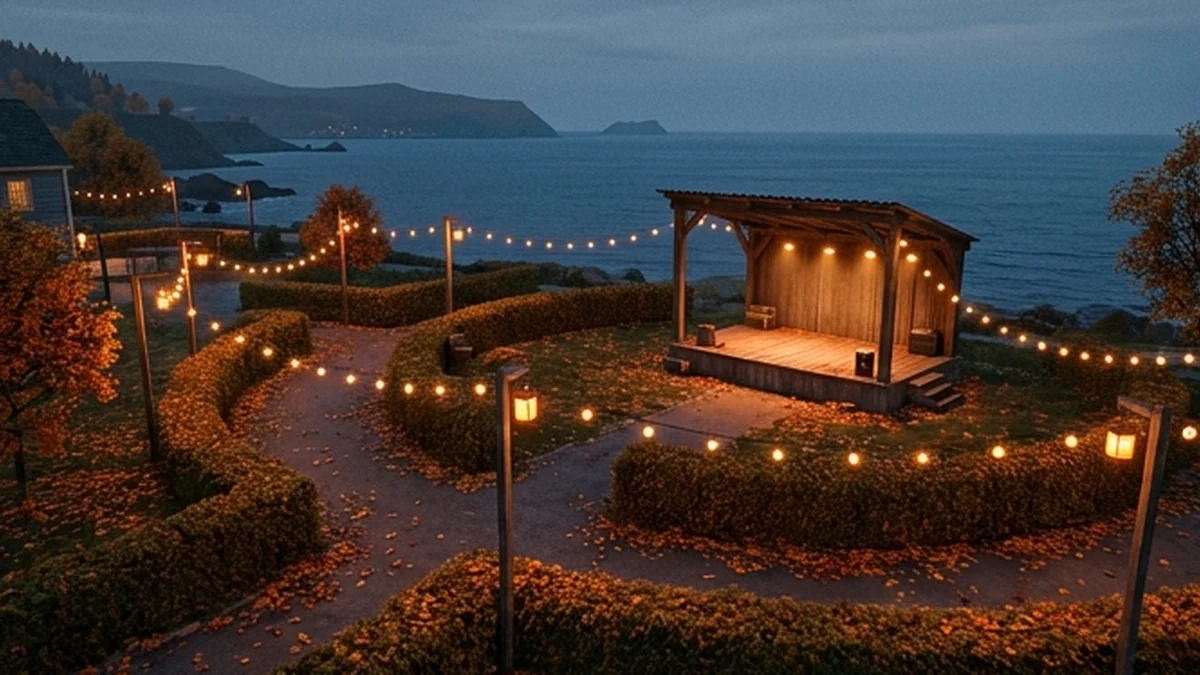

A seasonal map gives an event a recognisable setting. It does not, by itself, create participation or retention. The stronger starting point is a clear activity: a maze race, a social evening, a photo walk or a holiday vehicle showcase. Choose the environment after you know how people will take part.
Connect the venue to the event format
Write a short schedule that includes arrival, explanation, activity and an ending. Define who hosts, who moderates and how late arrivals join. Keep the main premise simple enough to explain in a few sentences, and provide a spectator or social option for players who do not want to compete.
Leave time for preparation
Allow time to inspect the package, confirm permissions, install it on staging and test the combinations you plan to use. The appropriate lead time depends on your team and the event's scope. Avoid turning an unfinished integration into a live experiment simply because a holiday is approaching.
- Verify placement alongside your existing maps.
- Test entry, exit, respawn and moderation tools.
- Check the actual time, weather and player activity planned for the event.
- Prepare a smaller fallback format if the first plan is too difficult to run.
Plan removal and reuse
Record any dependencies and changes made for the event. Removing a map does not automatically undo script configuration or database changes. Keep a rollback plan and a copy of the tested setup. If you reuse the venue next season, check the licence and test it against the newer server configuration rather than assuming it will behave identically.
Learn without inventing a success story
Ask participants what worked and what was confusing. Note staff workload, queue problems and whether players understood the activity. If you track attendance or return visits, define the measurement and respect player privacy. One successful evening cannot establish that a particular map caused long-term retention or a financial return.
Share screenshots and quotations only with appropriate permission, then improve the next run. Explore seasonal resources and the guide to planning a car meet for a more detailed operational example. Pick a venue that supports your plan, rather than expecting a new asset to become the plan.